El Monte
 Log in
Log in
Log in

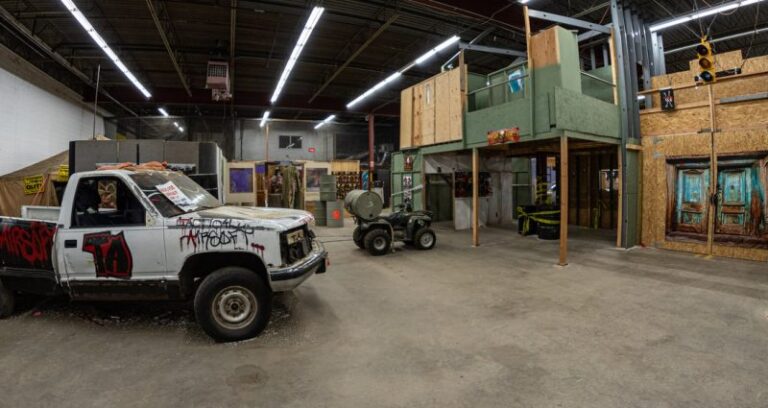
Tactical Airsoft CT is located in Windsor, Connecticut, just north of Hartford. It is the largest indoor airsoft arena in New England, featuring a 24,000-square-foot urban-themed field with a two-story building, vehicles, and numerous structures. The club offers a full-service retail shop, equipment rentals (including M4 rifles and masks with unlimited ammo), and on-site repair services. They run a variety of game modes from standard Team Deathmatch to objective-based scenarios and MilSim-lite events.
The venue is well-suited for birthday parties, corporate team-building, bachelor parties, and group outings. The experienced staff, including referees noted for fair play, helps create a welcoming atmosphere for both newcomers and seasoned players. The facility also features a pro shop and space for post-game gatherings, making it a complete destination for airsoft enthusiasts in the region.
 Indoors
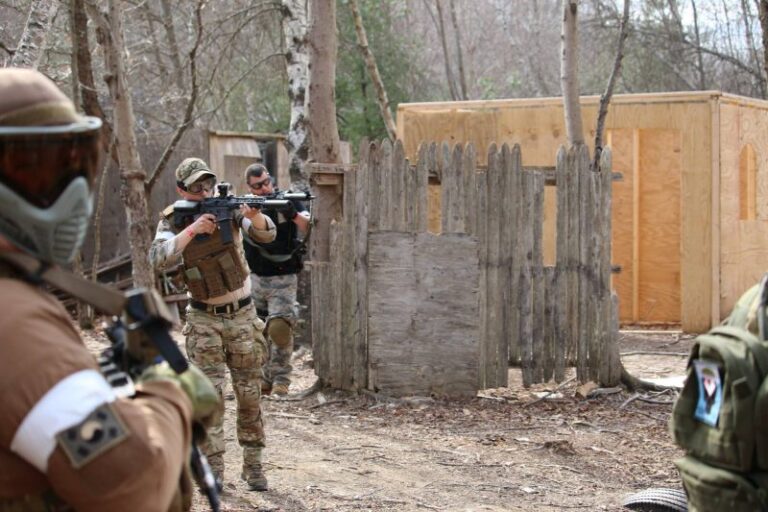
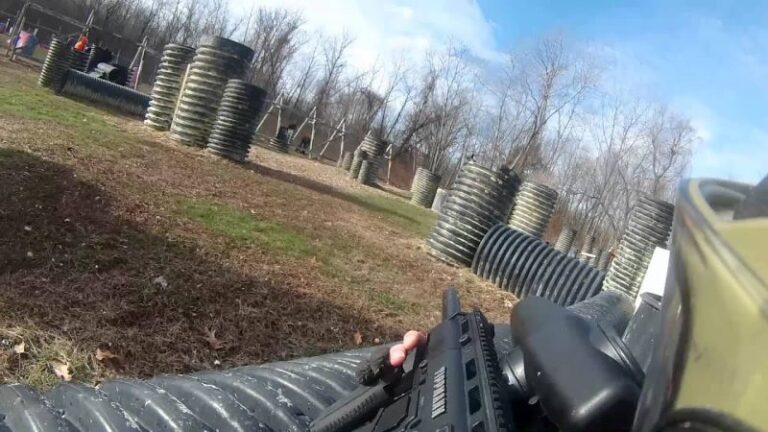
Ground Zero Airsoft USA is rooted in the Wolcott area of Connecticut, with its retail store in Waterbury and its 65-acre outdoor field in Terryville — the largest airsoft facility in the state. Founded in 2002, the field features a Vietnam-era firebase with trenches and bunkers, a two-acre village, sniper towers, a helicopter wreck, and countless man-made structures. Regular open gaming runs on weekends with walk-on fees, while special “Big OP” events like “Tears of the Sun” and “Operation Fallout” offer immersive, scenario-driven gameplay with multiple teams, medic rules, and custom patches.
Beyond the battles, Ground Zero offers rental equipment, upgrade and repair services, and birthday party packages that include pizza and drinks for groups of up to 20 players. The facility has bathrooms, parking, a recreation area, and a dressing room. The community-driven atmosphere, led by experienced staff and regular workdays where players help build new structures, makes it an excellent choice for corporate team-building, group outings, and anyone looking for an authentic airsoft experience in Connecticut.
 Outdoors
Hogan’s Alley Paintball operates from two locations — the Super Store and Service Center at 998 North Colony Rd in Meriden, CT, and the playing fields at Hogan’s Alley @ The Ridge, located at Powder Ridge Mountain Park & Resort at 99 Powder Hill Rd in Middlefield, CT.
The field complex features five distinct courses including an NXL Airball field, a classic Hyperball field, the Haunted Forest woodsball map with a crashed airplane and abandoned waterpark, the Fuel Depot scenario field, and a non-contact Shooting Gallery with animatronic targets. Hogan’s Alley offers recreational low-impact paintball (.50 caliber), tournament paintball (.68 caliber), non-contact shooting gallery play, and private airsoft sessions with Tippmann HPA rentals. Birthday party packages start at $545 for 10 people and include gear, paintballs, food, and a private party room.
The facility is located within Powder Ridge Mountain Park & Resort, giving visitors access to an award-winning restaurant and tavern, camping, live music, ziplining, and other family activities. The service center is the world’s largest paintball service center with a full machine shop. With over twenty years of full-time operation, the staff provides expert instruction and equipment fitting. The venue is well-suited for birthday parties, corporate team building, bachelor parties, church groups, school events, and family outings. Private party rooms, indoor bathrooms, and a pro-shop are available on site.
Outdoors
Airsoft is a fast‑growing sport that blends the thrills of military simulation with the camaraderie of team sport. Players, often called “airsofters,” step onto a field armed with replica firearms that fire lightweight, non‑metallic BBs at velocities low enough to be safe when proper protection is worn. The objective can be as simple as eliminating the opposing side, or as elaborate as recreating a historical battle, a hostage‑rescue scenario, or a futuristic conflict. What makes airsoft stand out is not just the hardware but the layered experience it offers: a mix of realism, teamwork, strategic thinking, endless customization, and a vibrant community that welcomes newcomers and veterans alike.
One of the most compelling draws of airsoft is its capacity for realism. Replicas are often modeled after authentic military weapons, down to the external slide, gas reservoir, and even the weight distribution of a real rifle. When a player straps on a tactical vest, fastens a helmet, and slides a magazine into a mock‑M4, the immersion is immediate. This realism is not superficial; it creates a context in which players must adopt the same habits they would in an actual combat environment—checking weapon safety, maintaining situational awareness, and mastering cover and movement.
Because the sport is fundamentally a team activity, success hinges on coordination. A squad that communicates effectively, assigns clear roles, and moves as a unit can outmaneuver a collection of skilled individual shooters. Strategies range from classic “push‑and‑flank” tactics to more nuanced approaches such as layered defense, fire‑and‑movement drills, and the use of dummy fire to draw opponents into traps. The requirement to think several steps ahead—anticipating enemy positions, managing ammunition, and adapting to unexpected developments—turns each match into a living chessboard.
Airsoft fields host a spectrum of game modes, each emphasizing different aspects of the sport. The most common is Team Deathmatch (TDM), a straightforward “kill‑the‑opponent” format that tests raw shooting skill and quick decision‑making. Capture the Flag (CTF) adds a layer of objective‑based play, demanding that teams protect their own flag while seizing the opponent’s, encouraging coordinated assaults and defensive holds.
More elaborate scenarios such as MilSim (Military Simulation) events can stretch over several hours or even days, with mission briefings, role assignments (medic, squad leader, sniper), and supply caches. In Search and Destroy, one side defends a strategic point while the other attempts to breach it, creating tension that mirrors urban combat. There are also creative “Zombie” or “Last Man Standing” games that blend pop‑culture themes with airsoft mechanics. This diversity ensures that players can continuously find fresh challenges that align with their preferred style of play.
Because each airsoft replica is a platform, the opportunities for customization are nearly limitless. Internally, players can upgrade hop‑up units, replace gearboxes, or install higher‑capacity batteries to improve range, accuracy, and rate of fire. Externally, rails and mounting points allow the addition of optics, foregrips, laser sights, flashlights, and suppressors—components that not only enhance performance but also personalize the aesthetic.
Beyond the gun, tactical gear can be tailored to specific roles. A close‑quarters combat (CQC) player might favor a compact pistol and a lightweight plate carrier, while a designated marksman could opt for a longer barrel, high‑power scope, and a stable shooting platform. Customization also extends to the soft side of the sport: players paint their gear in camouflage patterns that suit the environment, modify their helmets with night‑vision mounts, or rig their vests with ammo pouches, medical kits, and communication devices. This personal touch deepens the sense of ownership and investment in the game.
The airsoft community is a global network of enthusiasts united by a shared passion for tactical recreation. Online forums, social‑media groups, and local clubs serve as hubs where newcomers can seek advice on equipment, learn the etiquette of the “honour system,” and locate nearby fields. Many regions host regular meet‑ups, tournaments, and training sessions that blend competition with mentorship. Veteran players often act as ambassadors, guiding novices through the learning curve of safe handling, proper maintenance, and strategic fundamentals. This supportive environment not only accelerates skill development but also fosters long‑lasting friendships that extend beyond the battlefield.
Entering the sport without proper protection is a recipe for injury and a breach of the unwritten code of conduct that underpins the community. The baseline safety kit includes:
Eye Protection – A certified full‑face mask or goggles with polycarbonate lenses is non‑negotiable. Even a stray BB can cause permanent eye damage, so the mask must seal around the eyes and be rated for the velocity range of the local field.
Gloves – Tactical gloves protect the hands from BB impacts, cuts, and abrasions while offering enough dexterity to operate magazines and triggers. Reinforced knuckles and palm grips are especially useful during close‑quarters engagements.
Sturdy Boots – Footwear with ankle support, a rigid toe box, and a sole designed for traction on mud, gravel, and artificial turf prevents sprains and provides a stable base for rapid movement.
Knee Pads and Elbow Pads – Many fields encourage low‑crawl tactics or defensive positions that place joints under stress. Impact‑absorbing pads reduce bruising and allow players to stay low without pain.
Helmet – A lightweight tactical helmet shields the head from stray BBs and potential debris. When paired with a visor or a facemask, it becomes a comprehensive protective system.
Lower Face Protection – While a full‑face mask covers the entire visage, a lower‑face guard or a balaclava with a built‑in mesh can add an extra layer of defense for those who prefer a modular approach.
Beyond protection, a basic load‑out should include a reliable replica (often an entry‑level automatic electric gun), a spare battery, a few magazines, and a small first‑aid kit. As the player progresses, additional accessories—such as a hydration bladder, radio, or night‑vision equipment—can be incorporated.
Airsoft operates on a set of foundational principles that keep the experience enjoyable and injury‑free.
Safety First – All participants must wear approved eye protection at all times, keep weapons pointed in a safe direction, and engage the safety mechanisms when not actively shooting. Fields typically enforce velocity limits (often measured in feet per second) to ensure BBs remain within safe impact thresholds.
The Honour System – Because BBs can be missed or hit a player’s gear without an immediate visual cue, airsoft relies on players honestly calling themselves “out” when struck. Many fields use “hit‑markers,” small colored beads placed in the barrel, that become visible when a BB hits a player, aiding honesty. The honour system builds trust and reduces disputes.
Respect – Mutual respect between opponents, referees, and field staff is essential. This includes abiding by field rules, refraining from aggressive language, and handling equipment responsibly. Respect also extends to the environment; many fields are situated in natural settings, and players are expected to leave no trace.
Violations of these rules can result in penalties ranging from temporary bans to permanent removal from a venue, underscoring the seriousness with which the community treats safety and fairness.
Airsoft firearms fall into three primary categories, each with distinct operating principles and performance characteristics:
Automatic Electric Guns (AEGs) – Powered by rechargeable batteries, AEGs use an electric motor to drive a gearbox that cycles the bolt, compresses a spring, and releases a burst of BBs. They are the most common entry‑level platform because they are durable, have a realistic rate of fire, and are relatively easy to maintain. Popular models include the M4 carbine, AK‑47, and various sniper rifles.
Gas Airsoft Guns – Propelled by compressed gas—typically green gas (propane with silicone oil) or CO₂—these firearms mimic the blow‑back action of their real‑world counterparts. Gas pistols and rifles deliver realistic recoil and can be used in cold weather with CO₂, but they are more sensitive to temperature fluctuations and require regular maintenance to prevent leaks.
Spring‑Powered Airsoft Guns – Operated by manually compressing a spring via a cocking lever or bolt action. When released, the spring propels the BB. While the rate of fire is limited to one shot per cock, spring guns are prized for their simplicity, reliability, and potential for high muzzle velocity. They are common among sniper platforms and budget-friendly rifles.
Each type offers a different balance of realism, cost, and maintenance. Beginners often choose an AEG for its ease of use, while enthusiasts seeking authentic recoil or high power may gravitate toward gas or spring models.
Airsoft’s appeal cuts across age groups, professions, and cultures. Young adults drawn to video‑game tactics often transition to the physical realm, while military enthusiasts appreciate the realistic handling of replica weapons. Law‑enforcement and security personnel use airsoft for training in a low‑risk environment, honing reflexes, communication, and tactical decision‑making. Parents introduce their teenagers to the sport as a constructive outlet that emphasizes teamwork, responsibility, and physical fitness. Even retirees participate for the social aspects and the opportunity to stay active. In short, anyone who enjoys strategic competition, camaraderie, and the thrill of simulated combat can find a place on the field.
Finding the right venue is pivotal to a positive experience. Three main categories dominate the landscape:
Sanctioned Airsoft Fields – Licensed facilities that meet safety standards, enforce velocity limits, and provide a variety of terrains—urban ruins, forested zones, or purpose‑built obstacle courses. These fields often host organized matches, weekend tournaments, and rental equipment, making them ideal for newcomers.
Local Teams and Clubs – Community‑based groups that meet regularly for practice, tactical drills, and friendly skirmishes. Clubs may have their own private training grounds or secure agreements with nearby fields. Membership often includes mentorship, gear swaps, and shared resources—a great avenue for learning the ropes.
MilSim Events – Large‑scale, scenario‑driven experiences that can span an entire weekend or multiple days. Participants are assigned roles (e.g., squad leader, medic, recon) and tasked with objectives such as “secure a supply convoy” or “repel an enemy assault.” MilSim events blend role‑playing, endurance, and strategic planning, and they frequently take place in abandoned industrial sites, decommissioned military bases, or expansive forested areas.
When selecting a venue, players should verify the field’s safety protocols, check whether they need to bring their own gear or can rent, and consider the level of competition—casual “fun” games versus high‑intensity tactical matches.
Airsoft is more than a pastime; it is a disciplined sport that weaves together realistic weapon handling, strategic teamwork, diverse game formats, and a supportive community. Newcomers are encouraged to begin with a solid protective foundation—eye protection, gloves, sturdy boots, and supplemental armor—while familiarizing themselves with the core rules that prioritize safety, honesty, and mutual respect. Choosing an entry‑level AEG paired with essential tactical gear provides a balanced platform for learning the fundamentals of shooting, maintenance, and field etiquette.
As players progress, the depth of customization opens avenues for personal expression and performance optimization, while the variety of game modes ensures that no two matches feel the same. Whether engaging in a fast‑paced Team Deathmatch, coordinating a meticulous Capture the Flag, or immersing oneself in a multi‑day MilSim operation, the experience remains anchored by the same pillars: realistic simulation, teamwork, and strategic thought.
The vibrant airsoft community—spanning students, veterans, professionals, and families—offers mentorship, camaraderie, and a shared commitment to the sport’s ethos. By respecting the honour system, adhering to safety standards, and embracing the thrill of tactical competition, participants not only enjoy an exhilarating hobby but also develop skills that translate to real‑world scenarios: communication, quick decision‑making, and disciplined responsibility.
In the end, airsoft invites anyone willing to don a mask, strap on a vest, and step onto a field of imagination to discover a world where strategy meets sweat, where every BB tells a story, and where the bond forged between teammates lasts long after the final “game over” signal fades.


 1220 Kennedy Rd, Windsor, CT 06095