El Monte
 Log in
Log in
Log in

Battle Axes is located at 164 Turner Commons Way in Lexington, less than a mile from the Distillery District.
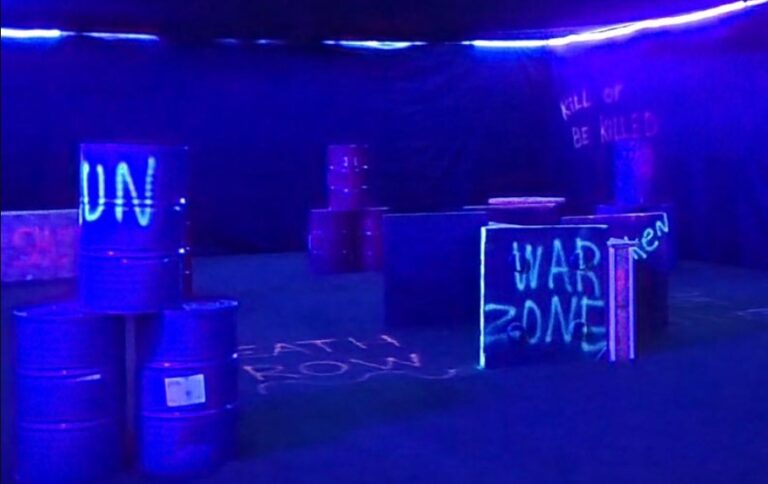
The center offers over a dozen attractions including professional axe throwing with digital scoring and private pits, high-speed electric go-karts (40 mph), indoor racing zip lines, Gel Ball tactical combat, bowling, fowling, a rage room, snookball, crazy golf, an RC construction site, a slot car track, and a full-body interactive Pixel gaming system. Birthday party packages cover inflatables, bowling, axe throwing, Gel Ball, and Pixel — each including a private party room, pizza, and drinks. Group combo deals bundle axe throwing with go-karts, zip lines, bowling, or the rage room for parties of four or more.
The venue also features a full bar with over 100 beers and ciders, a kitchen serving pizza, a private meeting room seating up to 40 with a 75-inch TV, competitive axe throwing and go-kart leagues, and dedicated coaches for all axe throwing sessions. It is well-suited for birthday parties, corporate events, team-building outings, graduation celebrations, and family gatherings of all sizes.
 Indoors
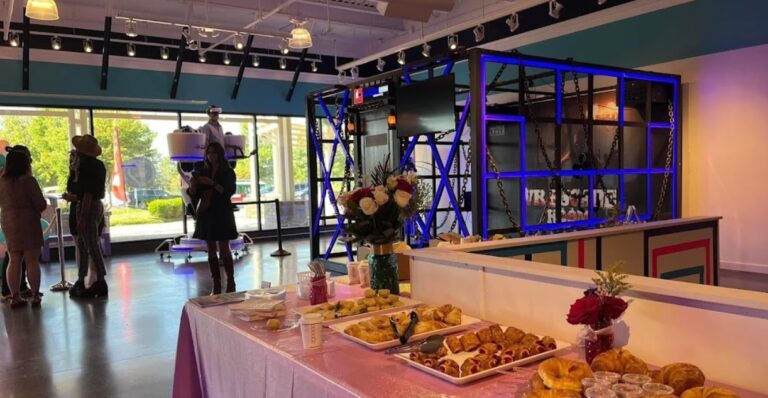
The Illusion Selfie Studio & VRcade is located in the Lexington Green shopping center on the south side of Lexington, KY.
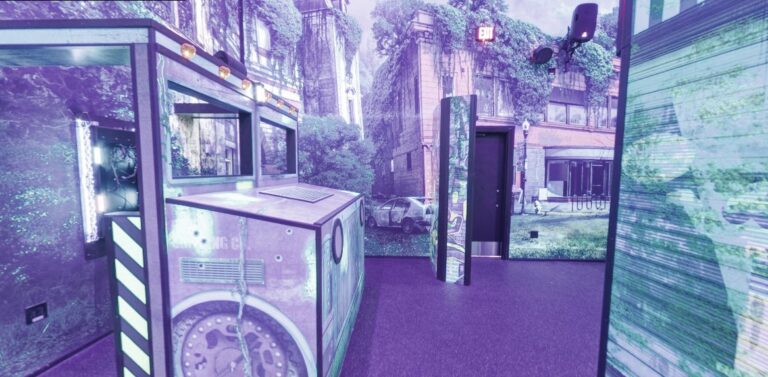
This venue brings together two distinct experiences under one roof: a selfie studio with over 20 themed photo booths equipped with ring lights and Bluetooth clickers, and Kentucky’s largest virtual reality arcade featuring simulator rides (VR jetpack, race car, egg chairs), a free-roam multiplayer VR arena with four 30-minute games, and a VR escape room. Three birthday party packages are available, ranging from selfie studio sessions to combined photo-and-VR experiences, all including event room access and digital invitations for up to eight guests.
Beyond standard visits, The Illusion offers photographer booking for private shoots, event and prop rentals for off-site celebrations, and has earned multiple “Best of Lexington” awards. The space suits birthdays, corporate team-building, graduations, and casual group outings. Students receive a 10% discount, and the venue hosts community events like the Lakeside Live concert series. A lounge area provides a comfortable break between activities, and parking is shared with the adjacent Embassy Suites.
IndoorsMalibu Jack’s Louisville is located in the East End of Louisville, Kentucky, off S Hurstbourne Parkway. This 135,000-square-foot indoor park offers nine attractions including laser tag (arena for up to 25 players), electric go-karts, mini-golf, an indoor roller coaster, bumper cars, a 4D motion theater, virtual reality rides, a soft-play zone for kids, 16 bowling lanes, and over 100 arcade games. The park operates on a free-admission model with pay-per-attraction pricing or all-day passes.
Beyond the attractions, the venue features a full-service restaurant and bar, 11 bookable event spaces (including semi-private Party Beach areas, a Private Cabana, and the Winner’s Circle), complimentary Wi-Fi and A/V equipment, and dedicated event coordinators for birthdays, corporate events, field trips, and youth groups. Birthday packages include options like the Bounce Beach Party and Unlimited Beach Bash, while corporate offerings range from the Team Builder experience to full facility buyouts. Game card bonus deals and seasonal unlimited attraction passes provide flexible ways to enjoy the park.
IndoorsMain Event Lexington is located at 240 Canary Road in Lexington, KY, near the intersection of New Circle and Nicholasville Roads.
This 50,000-square-foot entertainment center offers something for everyone under one roof. Guests can enjoy 22 state-of-the-art bowling lanes, a multi-level laser tag arena with neon-lit obstacles, over 100 arcade games including classics and modern favorites, a Gravity Ropes aerial obstacle course with a zip line, virtual reality experiences, billiards, and shuffleboard. The venue specializes in birthday parties with dedicated hosts and customizable packages, corporate team building events, school lock-ins, and group celebrations of all sizes.
Beyond the activities, Main Event features a full-service restaurant and bar with chef-inspired American fare, handcrafted cocktails, and big-screen TVs for watching sports. Private event spaces include a VIP bowling room with four lanes, semi-private party rooms, and the option to buy out the entire facility. The staff is known for being friendly and attentive, and the venue offers free Wi-Fi, full-service catering, and a dedicated party planning team to help coordinate every detail.
IndoorsAtomic City Family Fun Center is located in Paducah, Kentucky, right off Interstate 24 on Hinkleville Road.
This 44,000-square-foot indoor entertainment complex offers a wide range of attractions including electric go-karts with four speed levels, a laser tag arena, 18-hole mini glow golf, Flip & Spin bumper cars, a soft play zone for younger children, duckpin bowling, golf simulators, and a full arcade with a redemption prize counter. The venue operates on a credit-based system with day passes also available, and the entire space is climate-controlled so weather never interrupts the fun.
Beyond the main attractions, Atomic City features Social 360 — a 21-and-over lounge with a bar, live music stage, axe throwing, and pool tables. Private party rooms accommodate up to 30 guests for birthday celebrations, and full facility rentals are available for corporate events and large gatherings. An in-house kitchen serves food and drinks, and the friendly staff focuses on creating a welcoming experience for families, groups, and repeat visitors alike.
IndoorsOVRDRIVE is located in Downtown Louisville at 112 West Jefferson Street. This multi-activity venue offers six linked racing simulators running Assetto Corsa, eight digital axe-throwing lanes, a rage room for smashing glass and electronics, and VR gaming options. The space is designed for groups of all sizes, with party packages, group rates, and full facility rentals available for birthdays, corporate events, bachelor parties, and team-building outings.
Guests can refuel at the self-pour tap wall featuring 15 craft beers and cocktails, plus a menu of signature pizzas and wings with catering options starting at $10 per person. The venue is open seven days a week (Mon-Thu 3PM-10PM, Fri-Sat 12PM-12AM, Sun 12PM-8PM) and is available 24/7 by reservation for private events. Founded by the team behind Full Throttle Adrenaline Park, the experienced staff provides safety briefings and coaching for all activities.
IndoorsSandbox VR Louisville is located inside the Oxmoor Center at 7900 Shelbyville Road in the East End of Louisville, Kentucky.
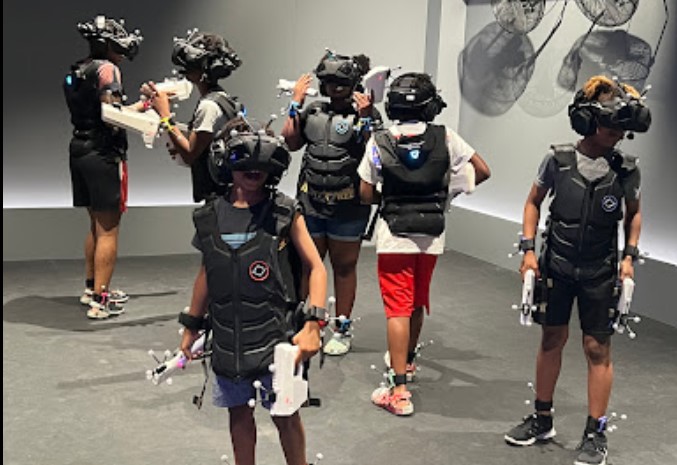
This 5,300-square-foot venue features four state-of-the-art VR rooms where groups of two to six players can step into exclusive, full-body virtual reality experiences built by Sandbox VR’s own AAA development studio. Using real-time motion capture and haptic vests, guests can freely roam through worlds like Squid Game Virtuals, Stranger Things: Catalyst, Deadwood PHOBIA, Age of Dinosaurs, and several others — all designed to be social, cooperative, and accessible to players of any skill level. Mixed reality highlight videos are included with every session at no extra cost.
Beyond standard gameplay, the venue offers dedicated party packages for birthdays and social gatherings (the Gold Package with two experiences, snacks, and beverages for up to six guests) and corporate team-building bundles (the Ultimate Play Bundle for up to 18 guests with catering options). The staff can transform areas into semi-private zones, and VR rooms can double as meeting spaces with AV capabilities. The venue also offers membership plans and an Unlimited Summer Pass for frequent visitors, plus gift cards for those who want to share the experience.
Indoors
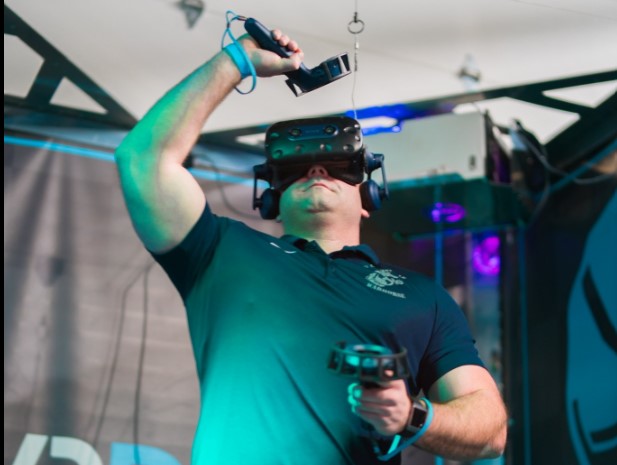
A free‑roam virtual‑reality arena is a purpose‑built physical space where participants can move unhindered while wearing a head‑mounted display (HMD) and, often, wireless tracking equipment. Unlike seated or stationary VR setups that confine the user to a chair, couch, or a small play area marked by a virtual boundary, a free‑roam arena removes those constraints. The floor is instrumented with motion‑capture cameras or infrared sensors, and the walls are either blank canvases or themed backdrops that help the tracking system locate each headset at any moment. Because the hardware is wireless—usually a backpack‑mounted PC or a compact edge‑computing unit—the player can dash, duck, jump, or even climb without tripping over cables. The arena itself may be a warehouse‑sized open space, a repurposed sports hall, or a modular pop‑up structure that can be assembled in a mall, convention center, or corporate campus.
The core promise of a free‑roam arena is immersion that feels physically real. When the virtual world’s geometry matches the physical space, the brain receives consistent vestibular and proprioceptive feedback, dramatically reducing motion sickness and raising the sense of presence. Players can swing a sword with a foam prop, dodge laser blasts, or explore a digital jungle while actually walking on a safe, padded floor. The technology behind it—often a blend of optical motion capture, inertial measurement units, and real‑time SLAM (simultaneous localisation and mapping)—allows the system to track dozens of participants simultaneously, each with a distinct avatar that mirrors their movements in the shared virtual environment.
Adventure Quest Zones
Designers craft sprawling fantasy realms where participants become heroes on a quest. Players might be tasked with retrieving a magical artifact from a cavern, solving riddles hidden in ancient runes, or battling a dragon that roars in sync with the haptic feedback of a handheld blaster. Because the arena can be reconfigured, the same physical space can become a medieval castle one day and a cyberpunk metropolis the next.
Team‑Based Competitive Games
In shooter‑style experiences, two teams compete to capture flags, dominate control points, or survive waves of AI enemies. The free‑roam aspect lets players sprint across the arena, take cover behind real‑world props that appear as barricades in the virtual world, and coordinate tactics on the fly. Leaderboards and timed matches add a layer of replayability that encourages repeat visits.
Simulation and Training Modules
Some arenas partner with educational institutions or corporations to simulate hazardous environments—such as a chemical plant spill or a high‑rise fire evacuation—allowing participants to practise safety protocols without real danger. The freedom to move mirrors the physical demands of the task, making the training more effective than a seated simulation would.
Creative Playgrounds
For younger audiences, sandbox‑style experiences let kids build and manipulate virtual LEGO‑like blocks, paint murals in three dimensions, or conduct whimsical experiments like launching rockets made of virtual cotton candy. The tactile freedom encourages exploration and storytelling, turning the arena into a giant digital playground.
Narrative Cinematic Experiences
A growing niche involves guided, story‑driven adventures where a single participant—or a small group—follows a scripted plot, interacting with characters and solving puzzles. These experiences often blend live actors or animatronics with VR, creating a hybrid theatre that feels part stage production, part video game.
The demographic profile of free‑roam VR participants is remarkably diverse, reflecting the medium’s broad appeal.
Teenagers and Young Adults (13–25) dominate the foot traffic at most commercial arenas. For this group, the adrenaline‑pumping competitive games and social multiplayer modes are a major draw. They often come in groups of friends, treating each session as a modern equivalent of an arcade outing.
Families with Children are attracted by the safe, supervised environment that allows kids to engage in high‑energy play without the typical concerns of unsupervised outdoor activities. Parents appreciate the blend of physical exercise and cognitive challenge, especially in educational scenarios.
Corporate Teams use the arena for team‑building exercises. The need for coordinated movement, rapid decision‑making, and clear communication mirrors real workplace dynamics. Companies book private slots for leadership retreats, product launches, or “innovation hackathons” that incorporate VR challenges.
Educational Institutions (schools, universities, after‑school programs) schedule regular visits to expose students to STEM concepts. By visualising physics principles, anatomy, or historical settings in an embodied way, educators find that retention improves dramatically.
Senior Citizens and Rehabilitation Patients are an emerging segment. The low‑impact physical activity, combined with gamified therapy tasks, helps improve balance, reaction time, and mental acuity. Many arenas now offer specialized programs tailored to mobility‑limited users, using seated or assisted free‑roam options.
When children enter a free‑roam arena, safety is the first priority. Staff members—often called “game masters”—brief participants on proper headset handling, the importance of staying within the designated play area, and basic etiquette such as taking turns with equipment. Physical safeguards include padded flooring, rounded corners on set pieces, and overhead nets that prevent accidental collisions with lighting rigs or projectors.
Beyond safety, the child‑focused experience hinges on a balance between spectacle and accessibility. Games are designed with intuitive controls: a simple “grab” motion to pick up objects, a swing to wield a virtual sword, or a pinch gesture to resize a building block. This reduces the learning curve and lets kids dive straight into the action. The visual style leans toward bright, cartoonish aesthetics that are friendly rather than hyper‑realistic—an approach that minimizes the uncanny valley effect and keeps the atmosphere lighthearted.
Educational content is woven seamlessly into the fun. A “Dinosaur Dig” adventure teaches paleontology through a scavenger hunt where kids locate fossil fragments and assemble a digital skeleton. A “Space Explorer” mission introduces basic astronomy, letting participants pilot a virtual shuttle while learning about planetary orbits. The embodied nature of these lessons—physically moving to reach a virtual star or crouching to uncover an ancient artifact—helps cement concepts in memory.
Parents often appreciate the screen‑time argument reversal: instead of passive consumption, children are actively moving, problem‑solving, and collaborating. The kinetic component satisfies the body’s need for activity, while the immersive visual feedback engages the mind. For many families, a visit to a free‑roam arena becomes a regular outing, much like a trip to the bowling alley or trampoline park.
The flexibility of a free‑roam arena makes it an attractive venue for a range of celebrations. Organisers can customise the virtual environment to match the theme of a birthday, graduation, or corporate party, turning the space into a canvas for creativity.
Birthday Parties
A birthday celebration in a free‑roam arena becomes an epic quest. The birthday child can be crowned a “hero of the realm,” and friends embark on a mission to rescue a captured mascot or retrieve a treasure chest filled with virtual confetti. The narrative can be built around the child’s favorite franchise—whether it’s a superhero saga, a magical kingdom, or an interstellar adventure. Customisable avatars allow each guest to dress in themed outfits, and after the final boss is defeated, a celebratory fireworks display erupts in the virtual sky, synchronised with a real‑world cake cutting moment. The inclusive nature of the experience ensures that every guest, regardless of gaming skill, can contribute—perhaps by solving riddles, operating a “control panel” to open a door, or simply cheering on teammates.
Graduation Ceremonies
For high‑school or college graduates, a free‑roam arena can transform the milestone into a symbolic journey. A “Graduation Odyssey” scenario might have participants walk a virtual bridge that represents the transition from education to the professional world, encountering challenges that echo real‑life decisions—choosing a career path, navigating financial planning, or building relationships. As each graduate reaches the “summit,” a virtual diploma materialises, and a collective holographic banner appears, displaying the graduating class’s name and year. The experience can be recorded from multiple angles, producing a highlight reel that families can keep as a souvenir. Moreover, the physical activity encourages graduates to celebrate with movement, breaking the static tradition of seated ceremonies.
Corporate Parties and Team‑Building
Companies looking to inject excitement into an end‑of‑year party or product launch can design bespoke scenarios that reflect their brand identity. A tech firm might host a “Future City” simulation where employees collaborate to build a sustainable metropolis using virtual modular blocks—each block representing a department’s contribution (R&D, marketing, operations). The free‑roam element fosters spontaneous interaction, as participants must physically move to different stations to place their pieces, mirroring cross‑functional collaboration. For pure entertainment, a “Corporate Spy Hunt” can pit departments against each other in a timed espionage game, with clues hidden in both the virtual world and the physical layout of the arena. The outcome is a memorable experience that reinforces company culture while providing genuine fun.
Special Milestones and Themed Gatherings
Other occasions—anniversaries, charity fundraisers, product unveilings—benefit from the arena’s ability to host large groups and adapt the visual setting instantly. Organisers can program a “virtual gala” where guests mingle in a digital ballroom, complete with avatar dancing, live‑streamed musical performances, and interactive art installations. Because the environment is fully programmable, sponsorship branding can be embedded seamlessly into the virtual décor, offering an innovative marketing channel.
Running a free‑roam VR event requires careful planning to ensure a smooth experience for all participants.
Session Length
Typical play sessions last between 15 and 30 minutes per group. This duration balances immersion with the need for sanitisation and headset battery changes. For parties, organisers schedule multiple back‑to‑back slots, allowing different groups of guests to rotate through the arena while the event’s narrative progresses in a linear fashion.
Capacity Management
Most commercial arenas can accommodate 8‑12 participants simultaneously, depending on the size of the space and the tracking technology’s coverage. To host larger gatherings, the venue may split attendees into smaller cohorts, each experiencing a segment of the overall storyline. This staggered approach also keeps the environment safe, preventing accidental collisions.
Sanitation Protocols
Health and safety standards dictate that headsets, controllers, and any handheld props be cleaned with alcohol‑based wipes between users. Some venues use disposable headset covers or provide personal hygiene kits (sanitising wipes, hand sanitizer) for guests to maintain a clean surface on the equipment.
Accessibility Options
Free‑roam arenas increasingly offer adaptive equipment—such as wheelchair‑compatible tracking rigs, reduced‑motion game modes, and audio‑only experiences for guests with visual impairments. By providing these options, venues broaden their appeal and comply with inclusive design principles.
Technical Support
A team of technicians monitors the tracking system in real time, ready to recalibrate cameras or replace faulty hardware. This behind‑the‑scenes work ensures that the virtual world remains stable and that latency stays low, preserving the immersion that makes free‑roam VR compelling.
As processing power becomes more compact and wireless networking speeds increase, the barrier to entry for free‑roam experiences continues to fall. Emerging technologies such as inside‑out tracking (which eliminates external cameras) and edge‑computing platforms allow arenas to shrink in size while expanding in capability. Moreover, integration with augmented‑reality (AR) devices could create hybrid spaces where virtual elements overlay the physical world without the need for a fully enclosed HMD, opening the concept to outdoor festivals and pop‑up events.
Artificial intelligence is also poised to reshape scenario design. AI‑generated worlds can be customised on the fly based on participants’ preferences, making each session unique. Narrative engines driven by machine learning could adapt the difficulty level in real time, ensuring that both novices and veteran gamers remain engaged.
Finally, the societal impact of free‑roam VR is likely to grow. With its capacity to combine physical activity, social interaction, and immersive storytelling, the medium aligns with public‑health initiatives that seek to reduce sedentary behaviour. Educational curricula that incorporate embodied learning will increasingly turn to these arenas as laboratories for experiential teaching. In the corporate sphere, the measurable outcomes of VR‑based team‑building—improved communication scores, faster decision‑making, heightened morale—will cement free‑roam venues as a staple of modern employee development.
Conclusion
A free‑roam VR arena represents a convergence of cutting‑edge technology, imaginative design, and human‑centred experience. By liberating participants from the confines of a chair or a static play area, it delivers an unprecedented level of immersion that feels as natural as walking across a room while simultaneously exploring a distant galaxy. The versatility of the platform supports a wide spectrum of scenarios—from high‑octane competitive battles and narrative adventures to educational simulations and creative sandboxes. This breadth attracts a remarkably diverse audience: teenagers chasing thrills, families seeking safe yet exciting play, corporations aiming to strengthen teamwork, schools looking for hands‑on learning, and even seniors engaging in therapeutic movement.
When tailored for special occasions—birthday parties, graduations, corporate celebrations—the arena becomes more than a game space; it turns into a narrative stage where milestones are celebrated through shared, kinetic storytelling. With proper logistical planning, safety protocols, and inclusive design, free‑roam VR can accommodate any group size while delivering memorable experiences that linger long after the headsets are removed.
As hardware becomes lighter, tracking more precise, and content creation faster, the free‑roam VR arena is set to evolve from a niche entertainment venue into an integral part of education, corporate culture, and community recreation. The promise is clear: a space where imagination can run free, bodies can move without restraint, and the line between the real and the virtual blurs just enough to make every adventure feel truly lived.


 164 Turner Cmns Wy #110, Lexington, KY 40511, United States