El Monte
 Log in
Log in
Log in

Three Rivers Paintball Park is a popular paintball destination located in Freedom, PA. The park boasts a variety of playing fields, including wooded areas, open fields, and even a castle. Players of all skill levels are welcome, and the park offers rental equipment for those who do not have their own.
In addition to traditional paintball games, Three Rivers Paintball Park also offers scenario games, where players can participate in themed battles such as zombies vs. humans or military simulations. The park hosts regular events and tournaments, and private parties and corporate events can also be arranged.
 Outdoors
SteelTown Paintball Park & Airsoft is a popular destination for paintball and airsoft enthusiasts in Pittsburgh, PA. The park offers a variety of courses and fields for players of all skill levels. The staff is knowledgeable and helpful, ensuring a safe and enjoyable experience for everyone.
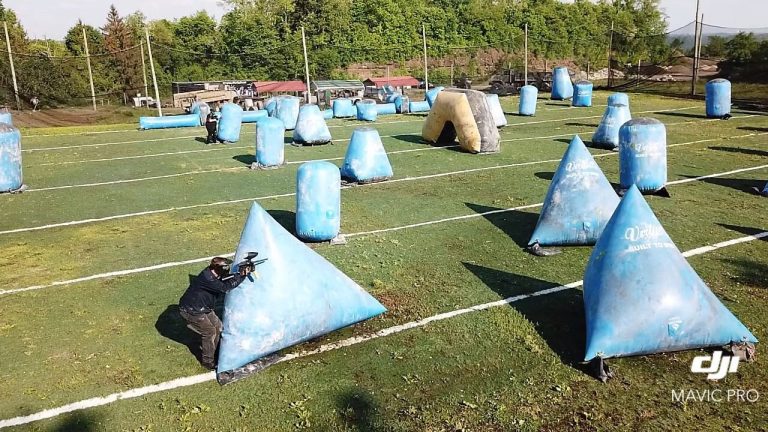
The park features multiple playing fields, including a speedball course and a woodsball course. The courses are well-maintained and offer a range of obstacles and structures for players to use for cover and strategic advantage. The park also offers rental equipment for those who do not have their own gear.
 Indoors Outdoors
Urban Assault Paintball in McDonald, PA is a popular destination for paintball enthusiasts. The facility offers a variety of courses and fields for players of all skill levels. The staff is knowledgeable and helpful, ensuring a safe and enjoyable experience for all participants.
The courses at Urban Assault Paintball are well-maintained and offer a range of challenges. From open fields to wooded areas, players can choose the course that best suits their style of play. The facility also offers equipment rentals and sells a variety of paintball supplies.
OutdoorsPittsburgh Paintball Park is a popular destination for paintball enthusiasts in Pittsburgh, PA. The park boasts a variety of fields, including wooded areas and open terrain. The staff is knowledgeable and helpful, ensuring a safe and enjoyable experience for all players.
In addition to traditional paintball games, Pittsburgh Paintball Park offers unique game modes such as zombie and capture the flag. The park also hosts tournaments and events throughout the year, attracting players from all over the region.
OutdoorsPaintball has evolved from a niche outdoor activity into a global phenomenon that blends high-octane physical exertion with complex tactical decision-making. Whether played in professional tournament circuits or casual weekend skirmishes, the sport offers a unique environment where strategy, communication, and reflexes collide.
At its core, a paintball is a spherical capsule made of a thin, gelatinous shell, similar to that of a bath oil bead or a vitamin capsule. Inside this casing is a non-toxic, water-soluble, biodegradable dye—typically made from polyethylene glycol, mineral oil, and food-grade colorants.
When fired from a paintball marker—the pressurized air-powered device used to launch the paint—these spheres possess enough velocity to travel long distances accurately. Upon impact with a target, the shell ruptures, marking the player with a vibrant splash of color. These markers have advanced significantly since the game’s inception in the 1980s, moving from manual, spring-fed guns to high-end electronic markers capable of firing several rounds per second with pinpoint accuracy.
While rules can vary slightly depending on the specific venue or game type, there are universal standards that ensure the safety and integrity of the sport. At the heart of every paintball game is the “mask mandate.” Protective goggles and full-face masks are strictly required at all times while on the field to prevent eye injuries from high-velocity projectiles.
In terms of gameplay, a player is generally considered “eliminated” if they are hit by a paintball that leaves a mark of at least the size of a quarter. If the paintball breaks, the player must exit the field or return to a designated respawn point. Sportsmanship is paramount; players are expected to “own their hits,” meaning they should declare themselves out if they know they have been hit, even if the referee did not witness it. Furthermore, “blind firing” (shooting without looking at the target) and physical contact between players are strictly prohibited to maintain a safe and fair environment.
The versatility of paintball lies in the creative scenarios that transform a simple field into a tactical theater. The most popular format, “Capture the Flag,” divides teams into two sides, each tasked with securing the opponent’s flag and bringing it back to their own base without being tagged.
Beyond this classic format, modern facilities often host “Scenario Games.” These are immersive, hours-long (or sometimes days-long) experiences that revolve around complex narratives. Players might be tasked with rescuing a “VIP,” defending a fortified building from an invading squad, or securing a series of control points to gain territory. These scenarios often incorporate props, role-playing, and atmospheric elements like smoke grenades or simulated explosive devices to heighten the tension and force players to adapt their tactics based on the evolving objectives of the game.
Paintball is widely celebrated as an excellent tool for personal development and group cohesion. Physically, it is a demanding cardiovascular workout that involves sprinting, crouching, crawling, and maneuvering through various terrains. This helps improve endurance, agility, and hand-eye coordination.
Beyond the physical benefits, paintball is renowned as one of the most effective team-building activities available. Because the game relies heavily on communication and the coordination of efforts to achieve a victory, participants learn to trust their teammates and communicate under pressure. It breaks down social barriers, forces people to work together toward a shared goal, and provides a safe, controlled environment to practice leadership and strategic thinking under stress. For many, it serves as an excellent stress-relief valve, allowing players to disconnect from their daily routines and immerse themselves in a high-intensity, present-moment experience.
The demographic of paintball is incredibly diverse. It is a sport that knows no age, gender, or professional background. While it is a common weekend activity for groups of friends, bachelor parties, and teenagers, it also attracts military and law enforcement personnel who use the game to practice tactical maneuvers in a low-stakes environment.
Corporate teams frequently utilize paintball to foster better working relationships, while the professional tournament scene features elite athletes who practice with the discipline of any other competitive sport. Because the game can be adjusted for intensity—ranging from casual “recreational” play to highly competitive “speedball”—it caters to everyone from the absolute beginner looking for a fun Saturday afternoon to the tactical enthusiast who spends thousands of dollars on specialized gear.
From the perspective of industrial safety and sports science, paintball is viewed as a triumph of equipment engineering and risk management. Experts in the field highlight the rapid progression of safety standards; the development of high-impact shatter-resistant plastics for masks and the move toward low-pressure, compressed-air systems have made the sport exponentially safer over the last three decades.
Physiologists often note that paintball provides “intermittent high-intensity exercise,” which is highly effective for metabolic conditioning. Researchers studying group dynamics have also identified the sport as a prime model for studying “distributed cognition”—a situation where a group must process information and divide tasks rapidly to survive or win in a complex system. Industry experts emphasize that the growth of the sport is largely due to the technological democratization of the game, where the entry-level equipment has become so reliable that beginners can have a competitive experience on their very first day.
The experience of paintball is heavily influenced by the environment in which it is played. Outdoor venues are typically situated on large plots of land, often in forests or fields. These locations leverage natural cover, such as trees, boulders, and terrain elevation, to create a more authentic, tactical experience. Outdoor fields are ideal for long-range engagements and large-scale scenario games where movement and stealth are key.
In contrast, indoor venues often utilize warehouses or specialized arenas. These fields are characterized by the use of inflatable bunkers (air-filled obstacles) placed on synthetic turf. This “Speedball” environment is designed for fast, high-paced gameplay where visibility is high and reaction speed is absolute. Indoor venues are climate-controlled, meaning they can operate year-round regardless of weather conditions, and they are often more accessible for urban dwellers.
Ultimately, the choice between indoor and outdoor depends on the player’s preference: those seeking a gritty, immersive, “military” style experience usually opt for the woods, while those who want a high-speed, athletic shootout prefer the controlled environment of an indoor arena. Regardless of the location, the combination of strategy, physical activity, and camaraderie ensures that paintball remains a staple of modern recreational competition.


 282 Rochester Road Freedom, PA 15042