El Monte
 Log in
Log in
Log in
Far from the simple game of “tag” played in schoolyards, modern laser tag is a dynamic sport that has evolved into a global pastime for kids, teens, adults, and even corporate teams looking for innovative ways to bond and compete.
Laser tag is a team-based or solo shooter game where players use infrared-emitting phasers to “tag” opponents. When a player is hit, their vest or pack registers the hit, often accompanied by flashing lights, sound effects, and score updates. Unlike paintball or airsoft, laser tag involves no physical projectiles—making it completely safe for all ages while still delivering intense, fast-paced action.
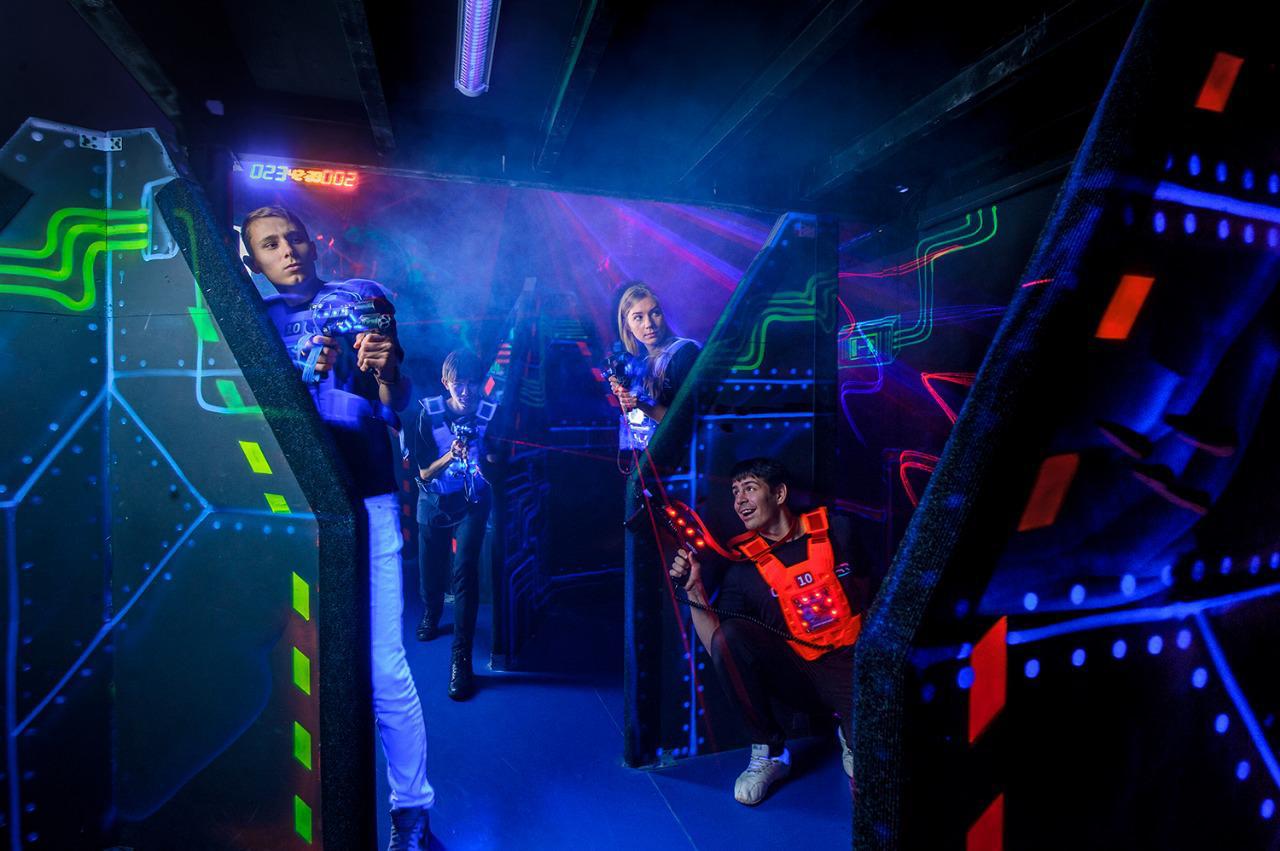
The game originated in the 1970s and 1980s with early infrared-based tag systems, but it has since evolved dramatically thanks to digital technology, motion sensors, and themed environments. Today’s laser tag arenas resemble sci-fi movie sets—complete with fog machines, ambient lighting, bunkers, tunnels, and interactive obstacles. Advanced systems allow for real-time scoring, health tracking, weapon customization, and even mission-based objectives via handheld screens or mobile apps synced to game gear.
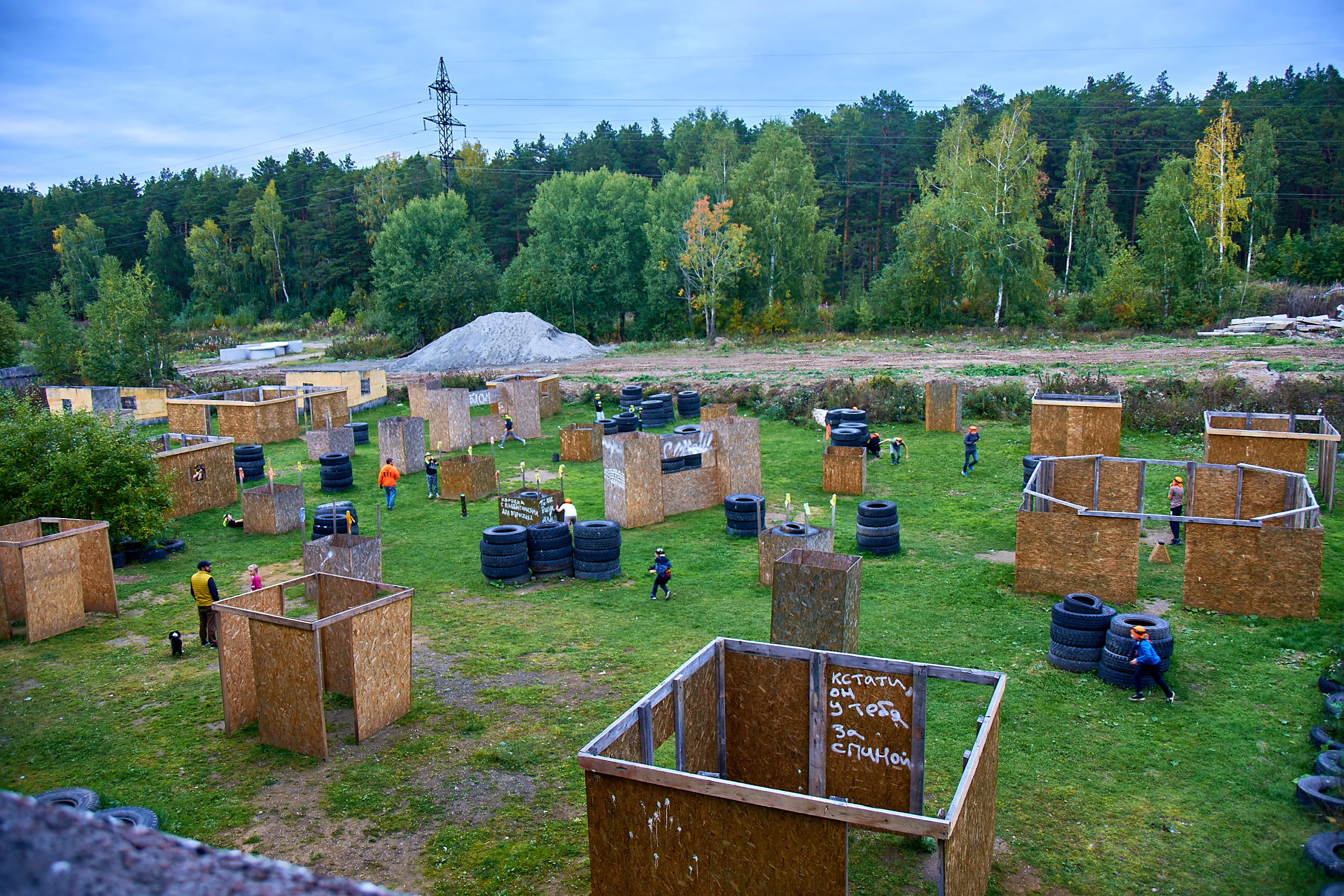
Laser tag can be played indoors or outdoors, in dedicated arenas or temporary setups like birthday parties or corporate events. Whether you’re dodging behind a foam planet crater or launching a stealth attack through a post-apocalyptic bunker, laser tag transforms ordinary space into a battlefield of imagination.
One of the most exciting aspects of laser tag is the variety of scenarios that can turn a basic game into a cinematic adventure. Organizers and arena designers craft imaginative storylines and objectives that go far beyond simple “shoot everyone” deathmatches.
1. Capture the Flag (Classic with a Twist)
A timeless favorite, this scenario divides players into two or more opposing teams, each defending their base while attempting to steal the enemy’s flag and return it to their own territory. Modern versions add complexity—flags may be shielded, require multiple players to retrieve, or even “explode” (disabling the carrier briefly when picked up), adding layers of drama and tactics.
2. Zombie Apocalypse
In this popular survival-style game, a few players begin as “zombies” with unique abilities—slower movement but higher health or team resurrection powers. The humans must survive waves of attacks, complete missions, or reach extraction points. As more humans are tagged, they transform into zombies, shifting the balance of power and increasing tension as the horde grows.
3. King of the Hill
Control a central zone for as long as possible to rack up points. This scenario encourages strategic positioning, cooperation, and ambush tactics. It often becomes a high-stakes battleground, with players rotating in and out of the hot zone under intense fire.
4. Last Man Standing (Free-For-All)
Every player for themselves. With multiple lives or regenerating health, the goal is to outlast everyone else. This mode tests individual skill, evasion, and marksmanship—perfect for competitive players seeking glory.
5. Mission-Based Objectives (Story Mode)
Aimed at older players or those seeking deeper engagement, these scenarios unfold like interactive video games. Teams might need to defuse bombs, upload data, rescue hostages, or protect VIPs—all while engaging in combat. These story-driven games often include countdown timers, voice-acted briefings, and tiered objectives, keeping players invested beyond mere scoreboard victories.
6. Team Conquest (Territory Domination)
Teams earn points by securing and holding designated territories across the arena. This promotes coordinated teamwork and strategic map control, resembling military-style operations.
These scenarios aren’t just entertaining—they promote cognitive engagement, decision-making under pressure, and adaptability. Players aren’t just running and shooting; they’re solving problems, communicating, and executing strategies in real time.
While laser tag is undeniably thrilling, its value extends far beyond entertainment. Beneath the flashing vests and laser beams lies a surprising array of physical, mental, and social benefits.
1. Physical Fitness in Disguise
Running, ducking, dodging, and sprinting between cover zones get the heart pumping and muscles moving. A single 20-minute session can burn up to 200 calories, all while participants are too engaged to notice the workout. Unlike traditional gym routines, laser tag makes exercise exciting and social—an ideal introduction to active lifestyles, especially for reluctant kids or teens.
2. Strategic and Cognitive Development
Laser tag isn’t just reflexes—it’s a mental challenge. Players must track opponents, anticipate movements, manage limited “ammunition” or “lives,” and adapt quickly to changing battlefield conditions. This improves decision-making, spatial awareness, and situational processing—skills that transfer well into academics and real-world problem solving.
3. Teamwork and Communication
In team-based scenarios, success depends on coordination. Players learn to communicate effectively, assign roles (snipers, scouts, defenders), and support one another under pressure. These collaborative dynamics foster empathy, leadership, and trust—essential traits in both school and professional environments.

4. Confidence and Self-Esteem
Mastering the game, landing critical hits, or leading a team to victory provides a powerful confidence boost. For shy or reserved individuals, the anonymity of masks and uniforms can reduce social anxiety, allowing them to participate more freely. The positive reinforcement of scoring points or completing missions builds self-worth in a safe, non-judgmental environment.
5. Stress Relief and Mental Wellness
The combination of physical activity, light competition, and immersive play triggers the release of endorphins—natural mood lifters. In a world where screen time often replaces real-world interaction, laser tag offers a healthy outlet for stress, anxiety, and digital fatigue. Many players report feeling energized, uplifted, and more focused after a game session.
6. Inclusivity and Accessibility
Laser tag is one of the most inclusive combat-style games available. Since no physical contact or harsh impacts occur, people of varying fitness levels, body types, and ages can compete on relatively equal footing. Children as young as six can play alongside grandparents in their 70s, making it an ideal activity for family gatherings, birthday parties, or intergenerational bonding.
7. Encourages Offline Socialization
In an age dominated by virtual chat rooms and online gaming, laser tag brings people together in physical space. It nurtures face-to-face interaction, spontaneous teamwork, and real laughter. Schools, youth groups, and corporations use laser tag as a tool to break ice, build rapport, and strengthen relationships without relying on screens.
Despite the rise of virtual reality and high-definition video games, laser tag has maintained its appeal. Why? Because it offers something digital worlds often lack: embodied experience. The thrill of darting around a corner, feeling your pulse race as enemy fire flashes past, and high-fiving teammates after a hard-won victory—it’s tangible, real, and deeply satisfying.
Moreover, laser tag technology continues to improve. Systems now include:
Innovative arenas even integrate augmented reality elements, GPS tracking for outdoor games, or RFID-enabled “power-ups” scattered across the field. The future of laser tag may include AI-driven opponents, drone-integrated gameplay, or even full-body haptic feedback suits.
It’s a darkened arena pulsing with neon lights, the air humming with electronic sound effects, footsteps echoing off padded walls, and the occasional excited yelp as someone scores a direct hit. Welcome to the world of laser tag—a high-energy, immersive game that has captured the imaginations of players for decades. But who, exactly, plays laser tag? The answer might surprise you: everyone.
From birthday parties for eager seven-year-olds to milestone celebrations for high school graduates and even strategic team-building sessions for corporate employees, laser tag has evolved from a retro arcade novelty into a dynamic, inclusive activity enjoyed across age groups and occasions. It’s not just a game; it’s an experience that levels the playing field, fires up the competitive spirit, and creates lasting memories.
Kids: The Original Laser Tag Warriors
Let’s start at the beginning—where laser tag often begins for many: childhood. Few activities spark the kind of unbridled joy and adrenaline rush that laser tag does for kids. Whether they’re pretending to be space rangers, secret agents, or intergalactic warriors, children thrive in the fantasy-infused environment that laser tag arenas provide.
Imagine a birthday party where the traditional cake-and-presents routine is replaced (or at least enhanced) with a 20-minute mission in a foggy, multi-level battleground. Kids suit up in vests with glowing sensors, load their phasers, and dive headfirst into a game where strategy, speed, and stealth matter. In laser tag, physical ability isn’t the only advantage—quick thinking, teamwork, and a bit of bravado shine just as brightly.

Parents appreciate the physicality of the game, too. In an age where screen time often dominates, laser tag gets kids off the couch and moving. It encourages problem-solving and social interaction, often among kids who might not naturally gravitate toward each other. Suddenly, the shy kid becomes the lookout, while the natural leader coordinates an ambush. Roles emerge organically, and confidence builds one stealthy move at a time.
And let’s not forget the magic of the experience—themed environments, light shows, and the instant feedback of scoring hits. Many kids leave with more than just a high score: they carry stories of the time they “single-handedly took down the opposing team” or the heroic sacrifice that saved their teammates. For children, laser tag isn’t just entertainment—it’s adventure.
Milestone Celebrations: Laser Tag for Graduations and Teens
As kids grow, so does the appeal of laser tag—but the target audience expands. Teenagers and young adults now turn to laser tag for more than just birthday bashes. It’s a popular choice for graduation parties, where friends gather before heading their separate ways to college or careers.
Why laser tag for something as significant as a graduation? Because it strikes the perfect balance between fun and engagement. Unlike sitting through dinner or watching a slideshow, laser tag gets everyone involved. It doesn’t matter if someone is headed to an Ivy League school or starting an apprenticeship—on the laser tag battlefield, all players are equal. The jock, the scholar, the artist—they’re all dodging beams and strategizing together.
Graduation laser tag parties often feature themed missions, such as “Escape the Future” or “Battle for Tomorrow,” weaving in metaphors of transition and challenge. Some venues even allow teams to be named after schools or future career paths—“MIT Mavericks” vs. “NYU Night Stalkers.” The result? Laughter, friendly competition, and shared memories that outlast the final shot.
Additionally, laser tag offers a safe, structured environment—something parents appreciate when hosting larger teenage gatherings. There are no risky dares or questionable playlists. Just the sound of energized gameplay, high fives, and the thrill of victory.
Teamwork in Action: Laser Tag for Corporate Events
Now, shift the scene: business casual attire swapped for sporty vests, boardrooms for neon-lit arenas. Yes, laser tag isn’t just for kids and teens—corporate teams are discovering its powerful benefits for team building and morale.
Companies from startups to Fortune 500 giants are incorporating laser tag into off-sites, holiday parties, and leadership retreats. Why? Because it breaks down professional facades in a fun, low-stakes way. The CEO and the intern become allies on a mission. The quiet accountant reveals a surprisingly fierce tactical mind. Hierarchies fade as everyone becomes players on the same team.
Laser tag challenges communication, collaboration, and adaptability—skills directly transferable to the workplace. Can your sales team coordinate a flanking maneuver under pressure? How does stress affect decision-making during a time-sensitive mission? These aren’t just game-related questions—they’re reflections of real-world dynamics.
Moreover, it’s a refreshing alternative to traditional corporate events. No more awkward ice breakers or forced trust falls. Instead, employees strategize, laugh, and bond over shared victories (and hilarious defeats). It’s not unusual for a laser tag battle to become office legend—“Remember that time marketing outsmarted engineering with a smoke-screen ambush?”
Many laser tag arenas now cater specifically to corporate clients, offering private booking, debrief sessions, and even team leadership analysis based on gameplay data. It’s experiential team building at its best—active, engaging, and unforgettable.
So who can play laser tag? The answer remains: anyone. But the experience is only as good as the venue.
Across the United States and in many countries worldwide, dedicated laser tag arenas have sprung up, offering state-of-the-art equipment and immersive environments. These aren’t your mall arcade rooms from the ’90s. Today’s arenas feature fog machines, soundscapes, multiple levels, moving platforms, and even interactive storytelling elements.
When seeking the ideal place to play, consider the following:
Urban centers and suburban entertainment hubs alike host multiple options. A quick online search for “laser tag near me” will yield results, but for a truly memorable experience, read reviews, check age recommendations, and book in advance—especially during peak times like weekends, holidays, and school breaks.
What makes laser tag so universally appealing? It’s not just about shooting light beams and racking up points. It’s about play—in its purest, most inclusive form. It’s about stepping into another world, even if just for 15 minutes. It’s about competition that’s fun, not cutthroat, and teamwork that feels natural, not forced.
Whether you’re a six-year-old celebrating your first Pokémon birthday or a 45-year-old manager trying to reconnect with your team, laser tag offers a rare combination: excitement, engagement, and equality. No matter your age, background, or skill level, you can walk into a game and feel the rush of strategy, the joy of victory, and the bond of shared experience.
So the next time you’re planning a celebration—be it a kid’s birthday, a graduation send-off, or a corporate retreat—consider stepping out of the ordinary. Put on the vest, grab your phaser, and head into the arena. Because in the glow of the neon lights, one thing becomes clear: laser tag isn’t just a game for a certain type of person. It’s a game for everyone.
Laser tag is more than a game—it’s a portal to adventure, a catalyst for fitness and camaraderie, and a playground for strategy and imagination. Whether you’re a child experiencing the thrill of being a space commando for the first time, a teen testing your reflexes with friends, or an adult unwinding after a stressful week, laser tag offers something for everyone.
From the pulse-pounding scenarios to the surprising health and social benefits, this futuristic pastime continues to shine bright in the entertainment landscape. So the next time you see a glowing arena or hear the distant hum of phasers charging, don’t hesitate. Strap on the vest, grab your blaster, and step into the light. Your mission awaits.